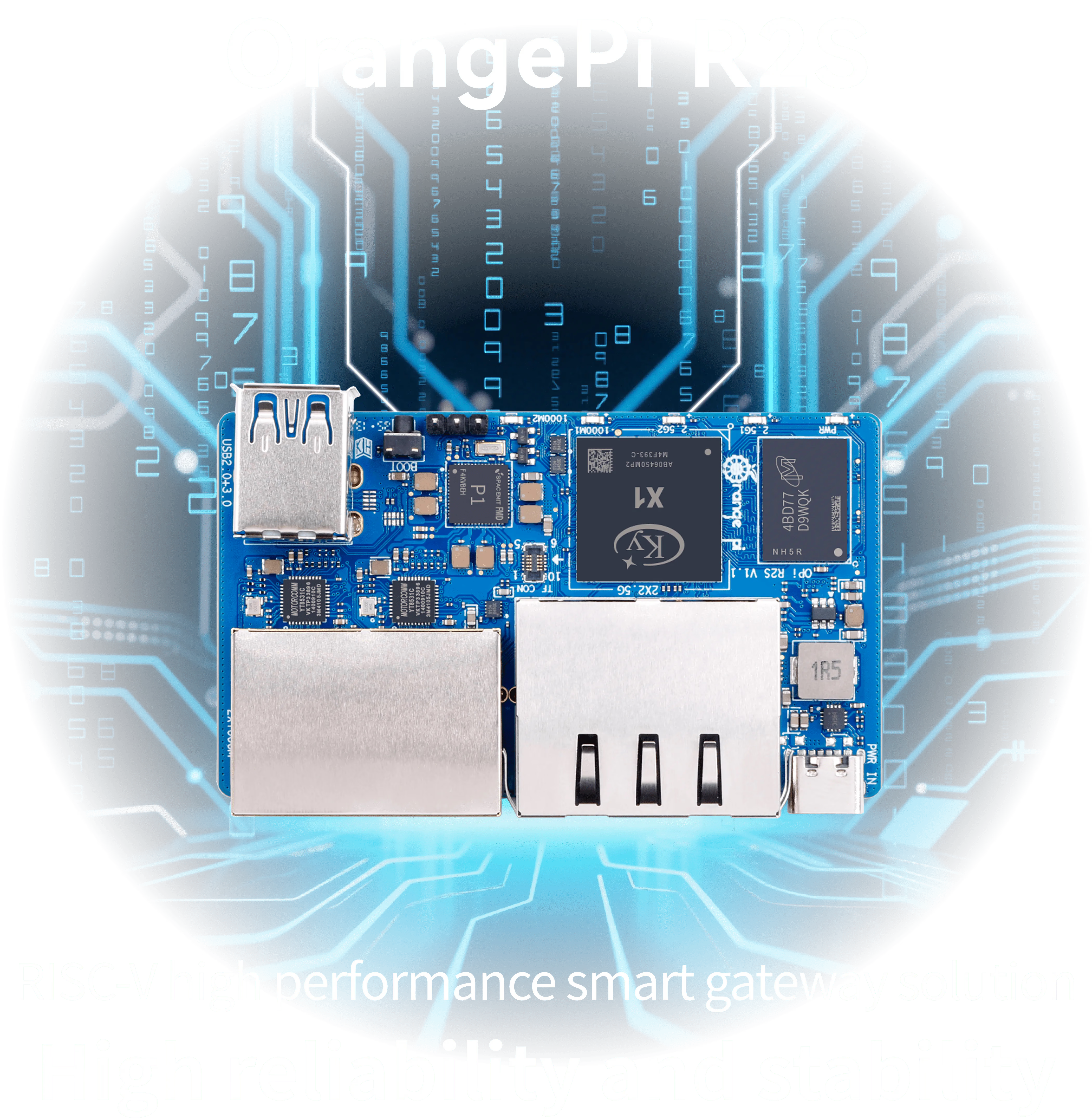
Orange Pi R2S: RISC-V Router Board with 2.5GbE x2 + 1GbE x2
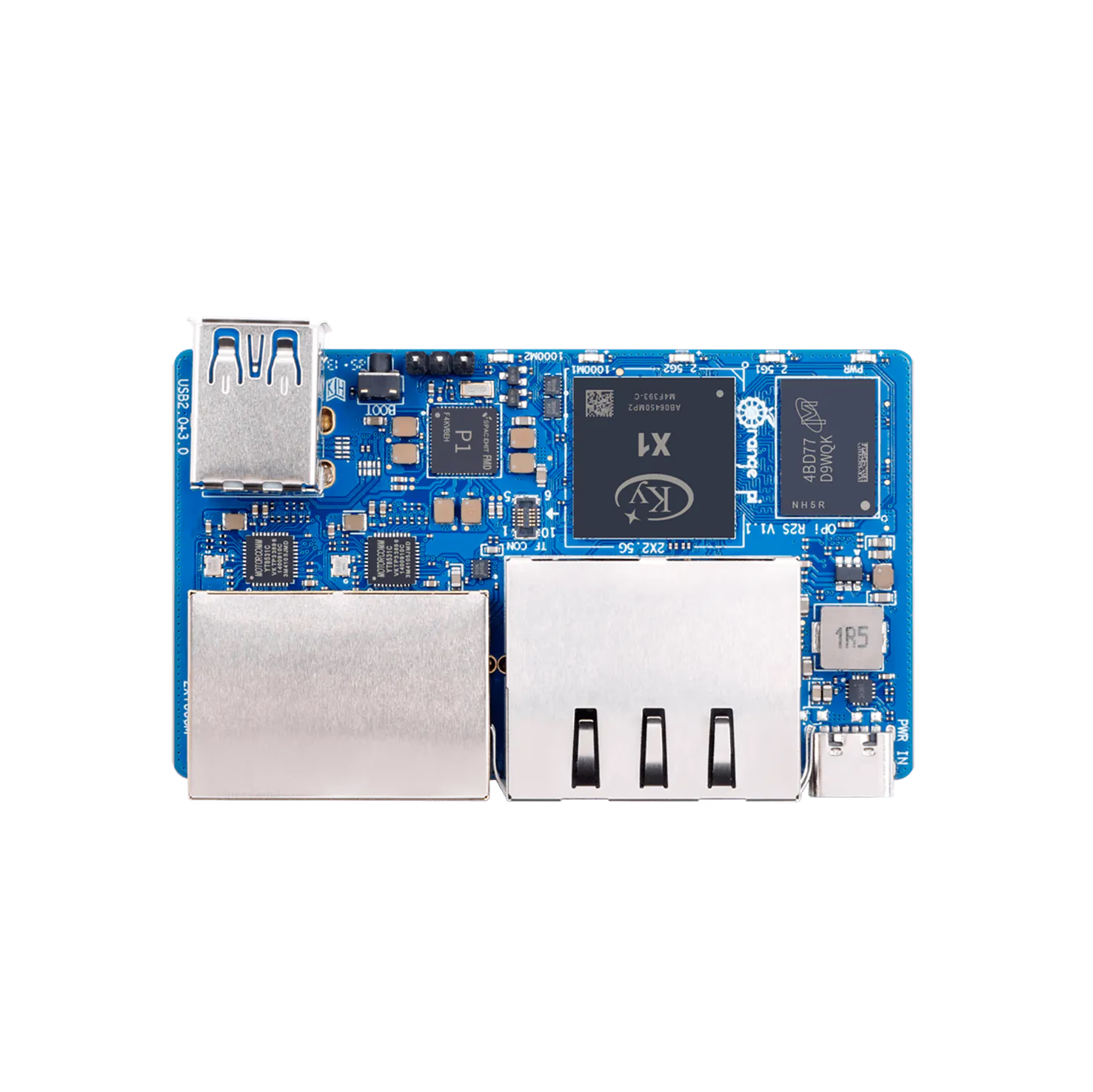
Orange Pi R2S is a network-focused RISC-V SBC featuring two 2.5GbE and two 1GbE ports. Powered by the Ky X1 8-core CPU, this high-value gateway device is available starting from around $30.
Orange Pi has published the product page for the Orange Pi R2S.
This SBC is designed for gateway and industrial applications, featuring the Ky X1 8-core RISC-V CPU and a total of four LAN ports.
The combination of two 2.5GbE and two 1GbE ports at a price point starting from around $30 is particularly appealing for the DIY router community.
This RISC-V router board packs an impressive 2.5GbE x2 + 1GbE x2 network configuration into a credit card-sized board.
Features
SoC/CPU
The board uses the Ky X1 (8-core RISC-V AI CPU) as its SoC. While 2.0 TOPS of AI performance is advertised, this is likely achieved through CPU-based computation rather than a dedicated NPU.
The primary battlefield for this board is packet processing and gateway operations rather than AI inference. How well the 8-core RISC-V handles network loads and how optimization progresses with OpenWrt will be key to practical usability.
Network Configuration
The standout feature is undoubtedly the LAN port configuration. Physical separation of WAN/LAN is a given, but with four ports, you can also secure DMZ and management ports—more than enough for personal network experimentation.
Moreover, with two of those ports supporting 2.5GbE, it can theoretically function as a multi-gigabit router. Getting this for around $30 is remarkable.
Memory and Storage
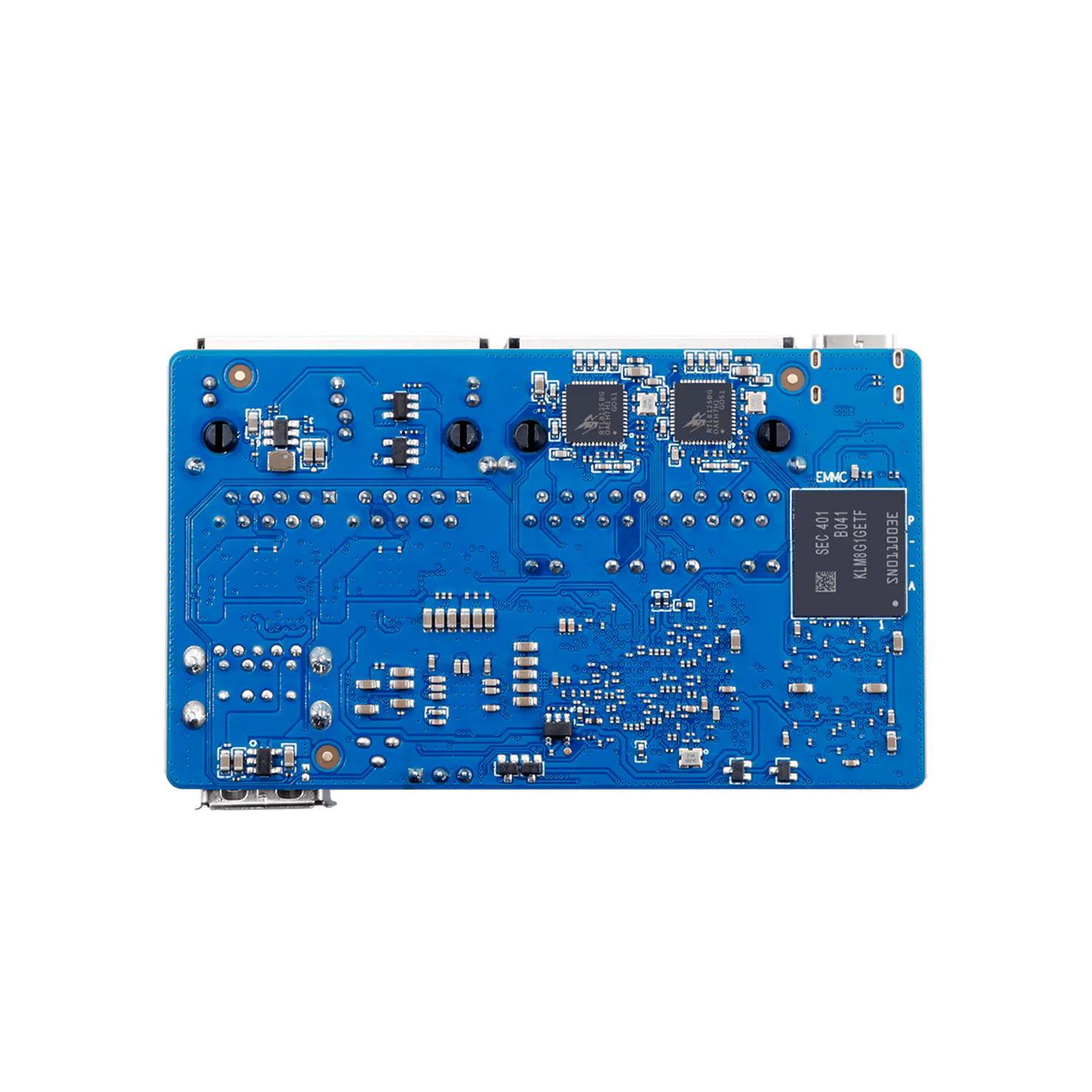
Memory options include 2GB, 4GB, and 8GB, but storage is fixed at 8GB eMMC.
This is sufficient for running lightweight operating systems like OpenWrt, but 8GB feels inadequate if you want to install Ubuntu and run various server applications. Operating with external storage connected via the USB 3.0 port should be considered.
The TF card slot is described as a “transfer interface,” and whether it’s bootable awaits verification on actual hardware.
External Design
At 79.2 x 46 mm, the board is extremely compact. The form factor is reminiscent of the NanoPi R2S/R4S series, allowing operation in enclosures similar to existing small routers.
Summary
The Orange Pi R2S is a product that precisely targets the niche demand for RISC-V × multi-port LAN.
It’s an extremely appealing option for those who want to build a cheap multi-port router or experiment with RISC-V network devices.
However, with no video output and limited storage, it’s not suitable for use as a general-purpose Linux PC. This is a toy for those who can commit to a specific use case.
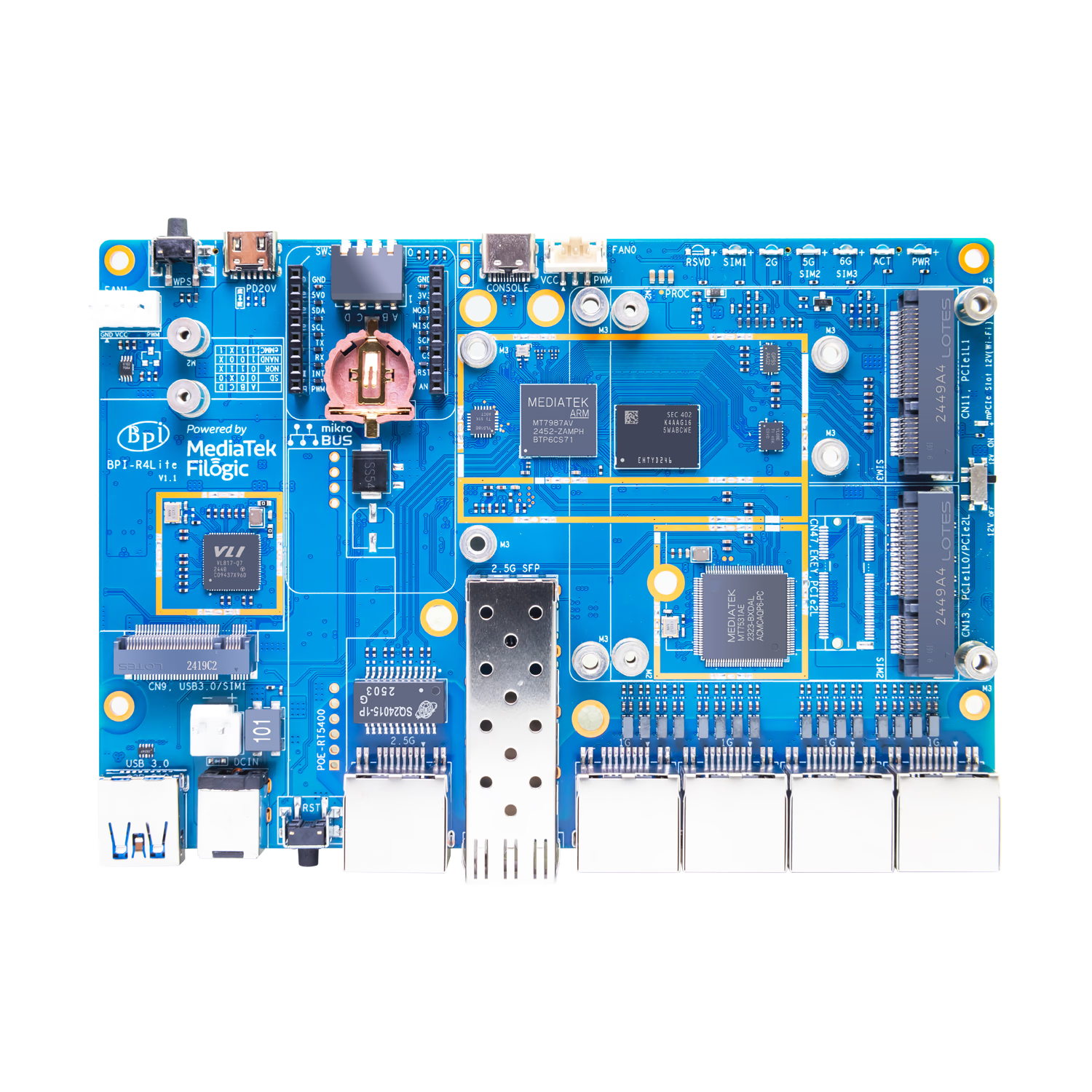
As of December 31, 2025, Banana Pi has published official documentation for the Banana Pi BPI-R4 Lite. This router-oriented board features a MediaTek MT7987A SoC with 2.5GbE SFP, 2.5GbE WAN, and four 1GbE LAN ports. While Wi-Fi 7 and 5G can be added via expansion slots, the M.2 slot is not designed for NVMe and there are USB 3.0 simultaneous usage limitations—points worth noting before purchase.
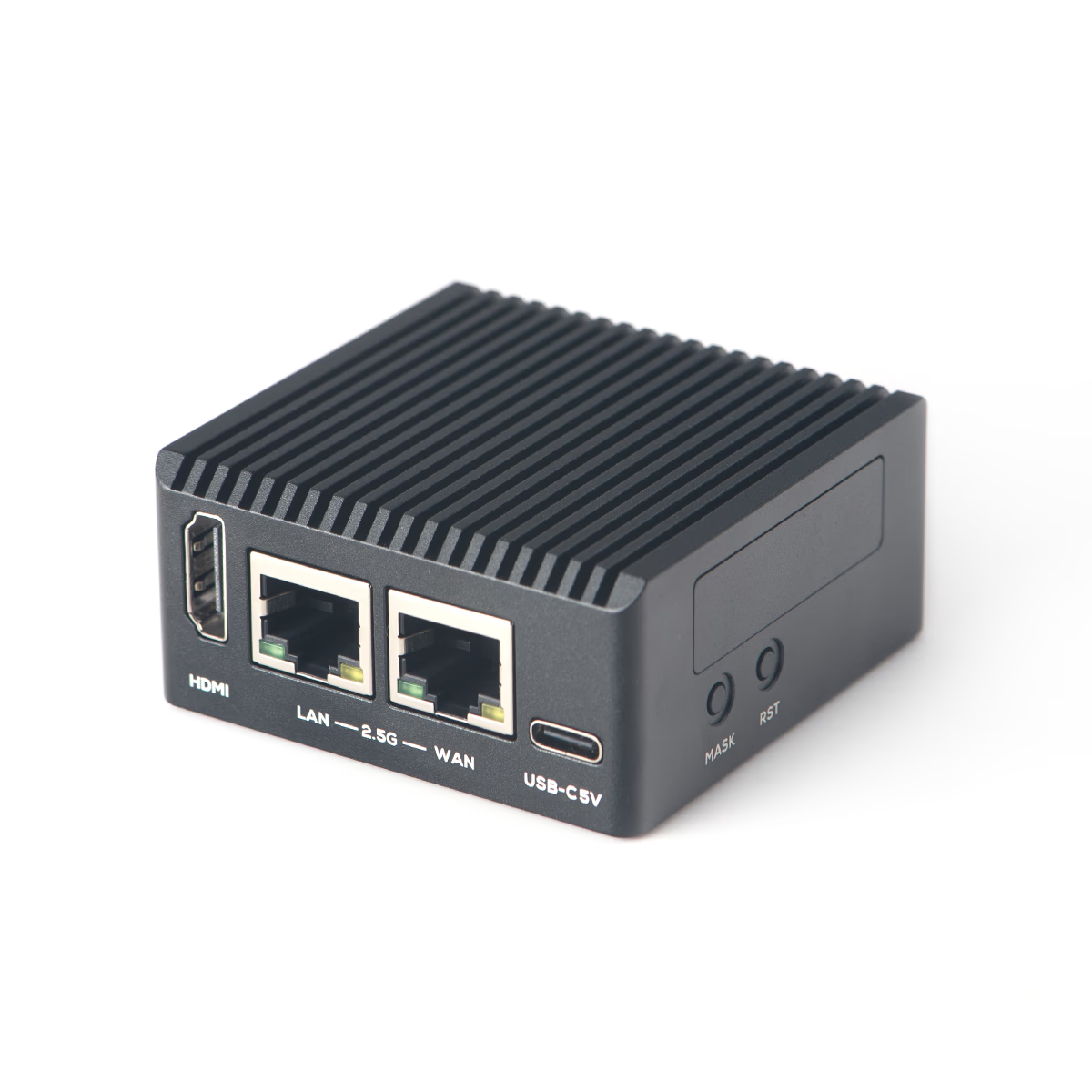
FriendlyElec has released the NanoPi R76S. This ultra-compact SBC combines the Rockchip RK3576 with dual 2.5GbE, specifically designed for router and NAS applications. With a compact 58×58mm board featuring an easy WAN/LAN separation configuration, this is a compelling choice for those wanting to build an experimental home network router or lightweight NAS.
ZimaBoard 2 is a highly expandable single-board server featuring an Intel N150 processor, dual 2.5GbE ports, and a PCIe slot. Perfect for NAS and home lab builds, it embodies the DIY spirit.
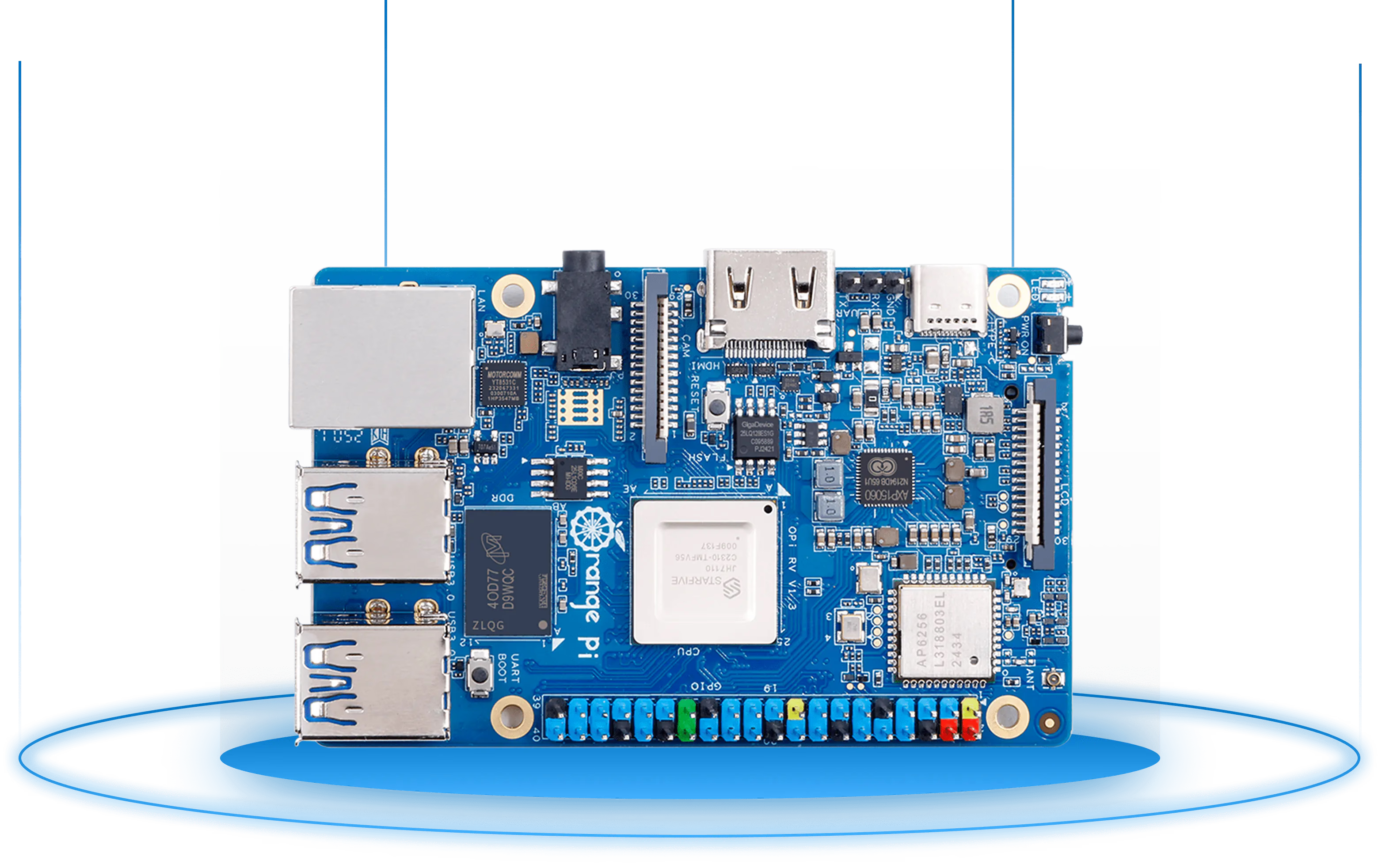
Orange Pi RV is a RISC-V development board powered by the JH-7110 quad-core processor. Featuring an M.2 SSD slot and USB 3.0 ports, it offers a full-fledged RISC-V environment starting from just around $30.