Zima ZimaBoard 2: A Single-Board Server That Grows with Dual 2.5GbE and PCIe
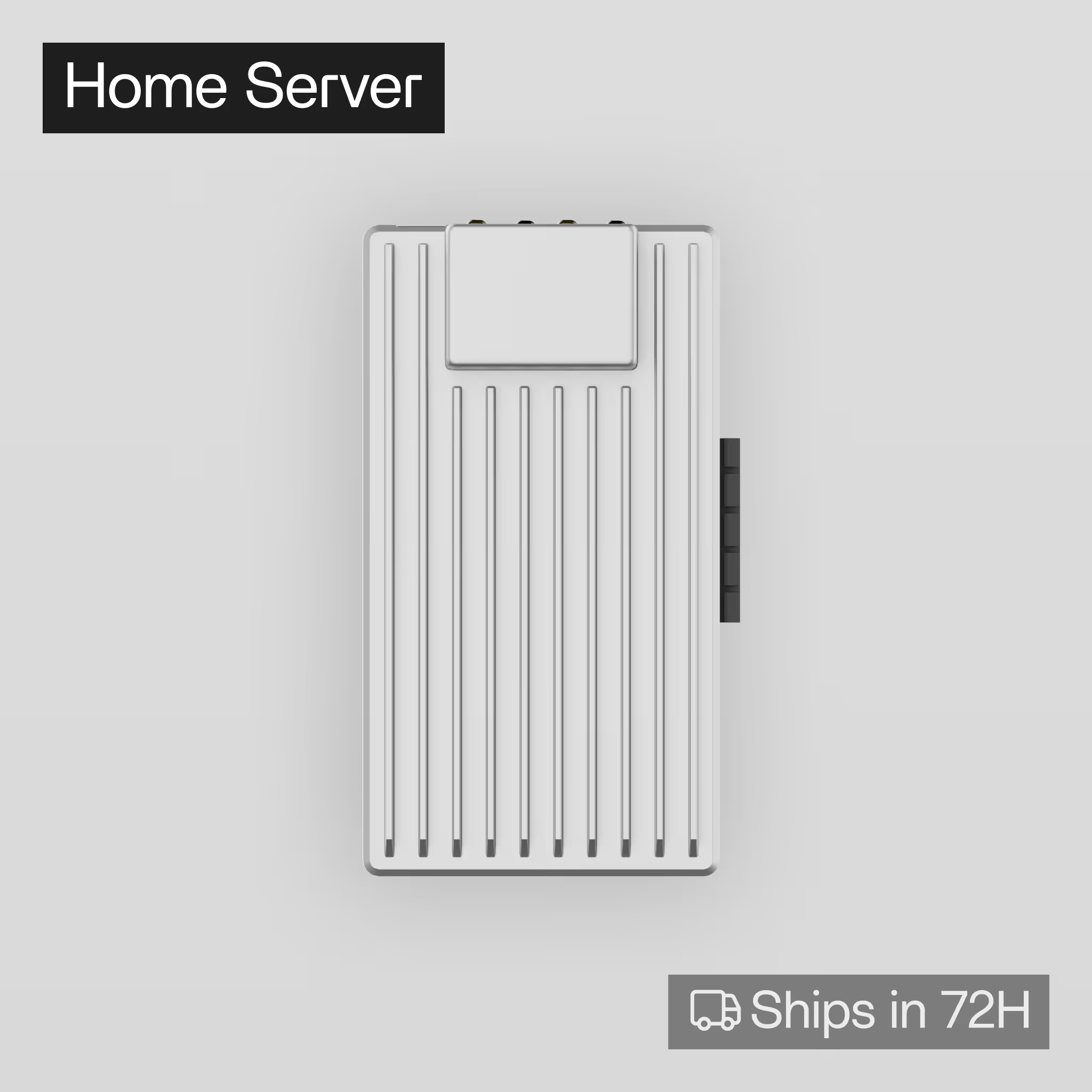
ZimaBoard 2 is a highly expandable single-board server featuring an Intel N150 processor, dual 2.5GbE ports, and a PCIe slot. Perfect for NAS and home lab builds, it embodies the DIY spirit.
Zima has unveiled its new single-board server, the ZimaBoard 2.
While inheriting the concept of an “expandable single-board server” from its predecessor, it features a refreshed processor and enhanced network performance, making it a long-awaited update for DIY NAS and home server enthusiasts.
Despite calling itself a “single-board” computer, it’s a unique product with internals close to a laptop and expandability rivaling a desktop machine.
Features
CPU / SoC
The board is powered by an Intel N150 SoC. With 4 cores/4 threads and a maximum clock speed of 3.6GHz, processing power has significantly improved compared to the previous generation. Despite its low power consumption, it’s capable enough to function as a file server, run Docker containers, or serve as a lightweight media server.
Network Performance
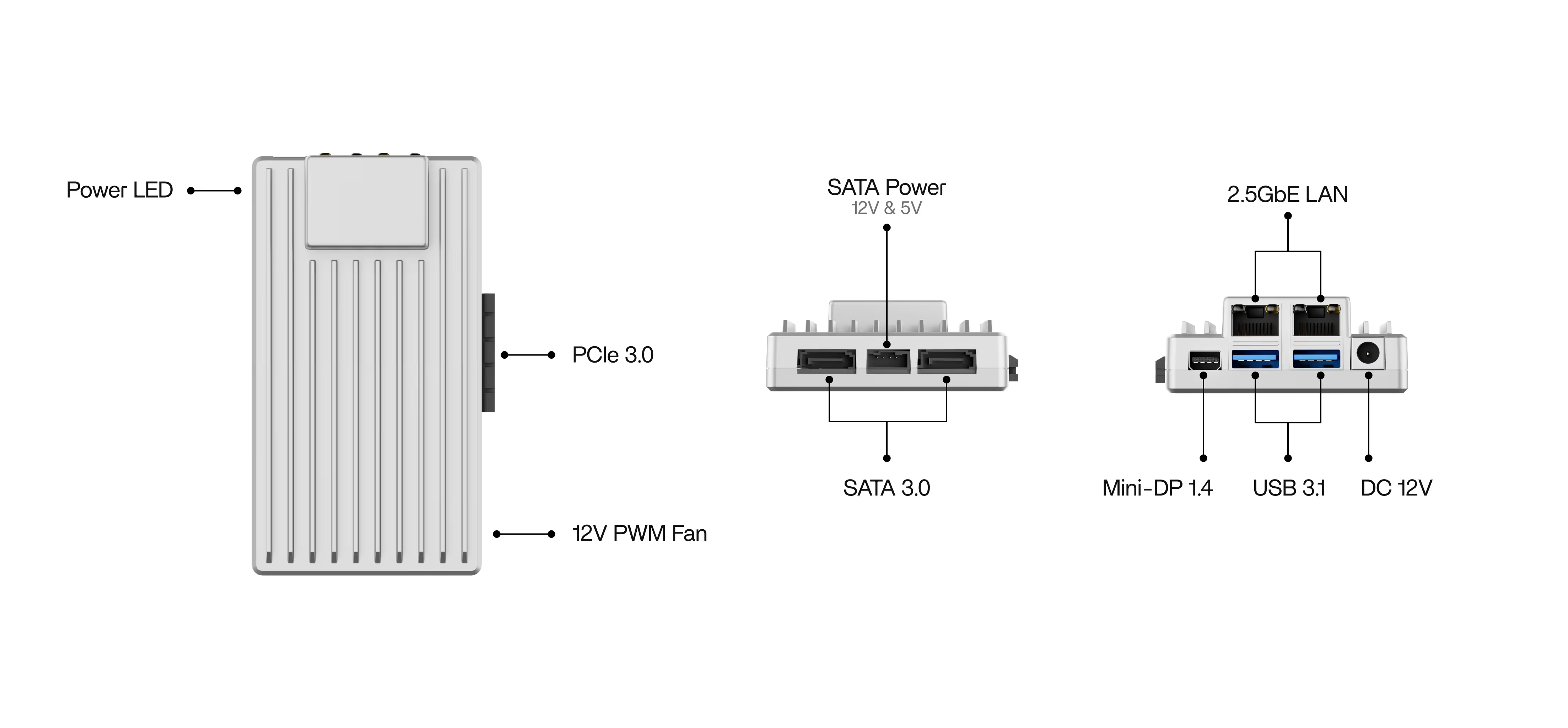
One of the standout features is the inclusion of two 2.5GbE ports as standard. Whether using link aggregation for bandwidth consolidation or separating WAN/LAN for router operations, you can achieve high-speed communication without being limited by the 1GbE barrier.
Outstanding Expandability
The exposed PCIe slot is the defining identity of the ZimaBoard series.
You can connect standard PCIe cards—such as 10GbE NICs, NVMe expansion cards, or even low-power GPUs—directly or via riser cables, allowing you to “grow” your hardware configuration according to your needs. Additionally, with two SATA 3.0 ports, it’s easy to connect HDDs directly and build a large-capacity NAS.
Appearance
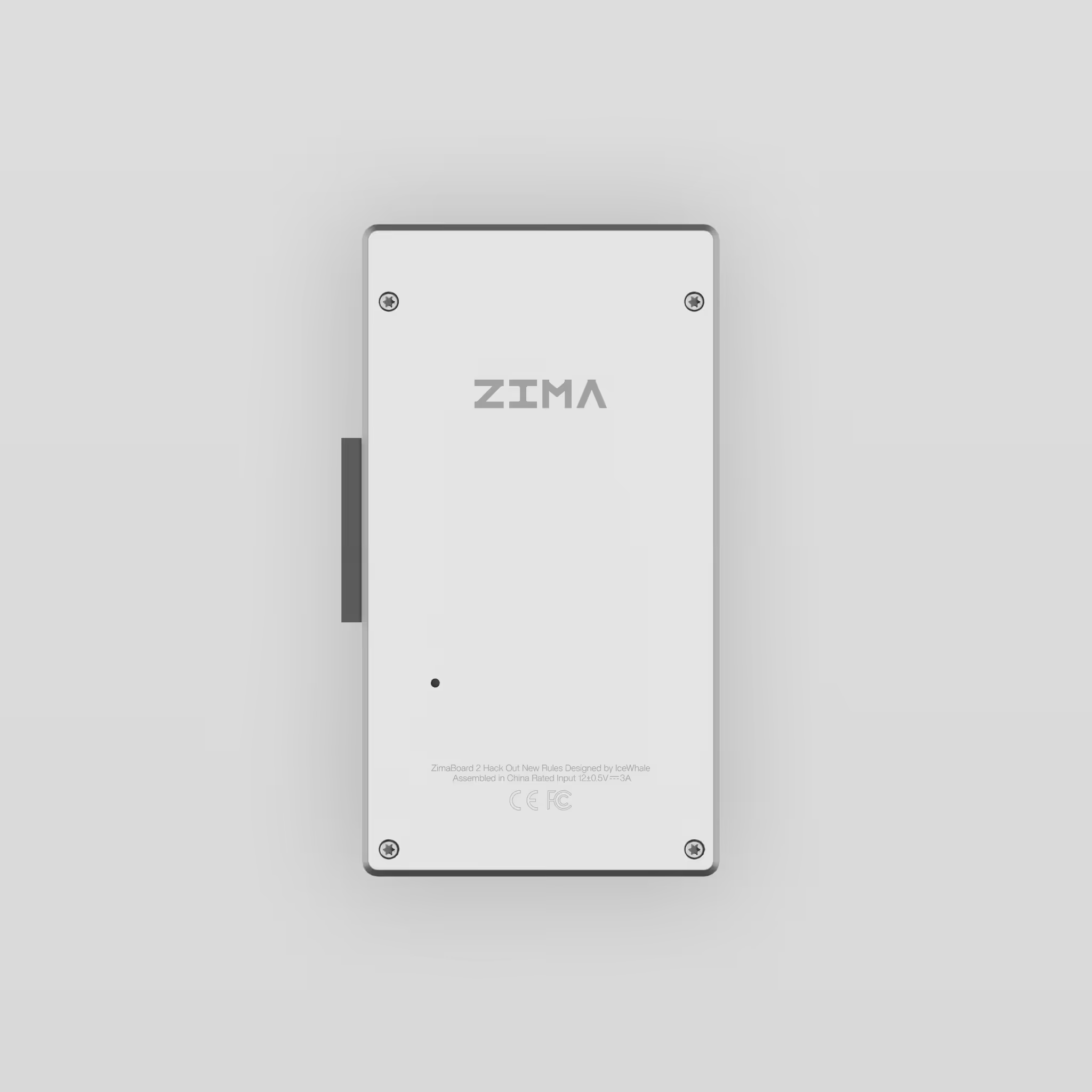
The board measures 140 x 83 mm, roughly the length of a smartphone. While it has some thickness, considering its expandability, it’s remarkably compact.
Summary
ZimaBoard 2 is the ideal solution for home server users who want something compact and quiet but won’t compromise on expandability.
The official ZimaOS is available, allowing intuitive management of apps and files through a browser, making it accessible even for beginners.
On the other hand, adding PCIe cards increases the overall size, so it’s recommended to plan your final installation setup before purchasing. For those who want to build their own “ultimate compact server,” this board offers endless enjoyment.
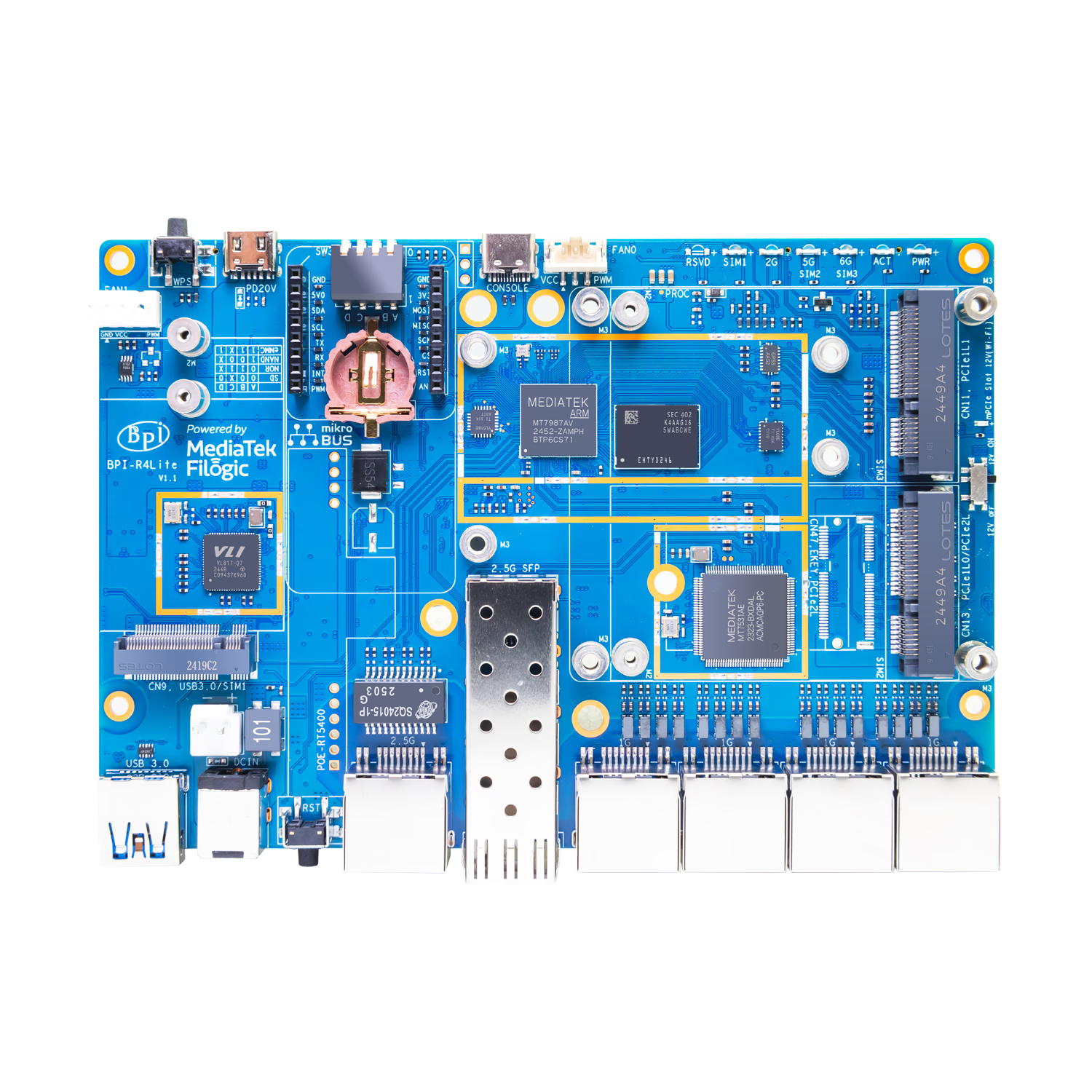
As of December 31, 2025, Banana Pi has published official documentation for the Banana Pi BPI-R4 Lite. This router-oriented board features a MediaTek MT7987A SoC with 2.5GbE SFP, 2.5GbE WAN, and four 1GbE LAN ports. While Wi-Fi 7 and 5G can be added via expansion slots, the M.2 slot is not designed for NVMe and there are USB 3.0 simultaneous usage limitations—points worth noting before purchase.
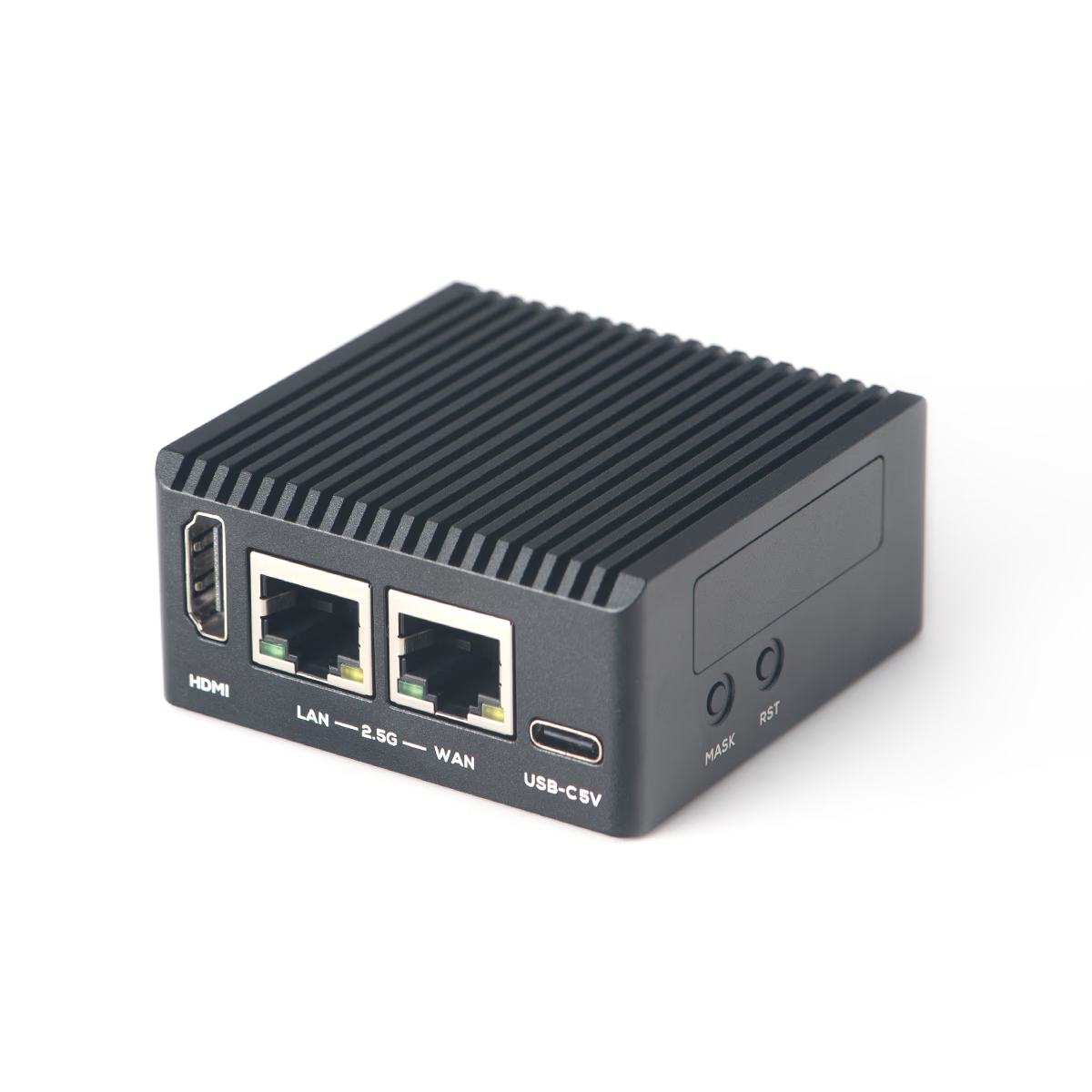
FriendlyElec has released the NanoPi R76S. This ultra-compact SBC combines the Rockchip RK3576 with dual 2.5GbE, specifically designed for router and NAS applications. With a compact 58×58mm board featuring an easy WAN/LAN separation configuration, this is a compelling choice for those wanting to build an experimental home network router or lightweight NAS.
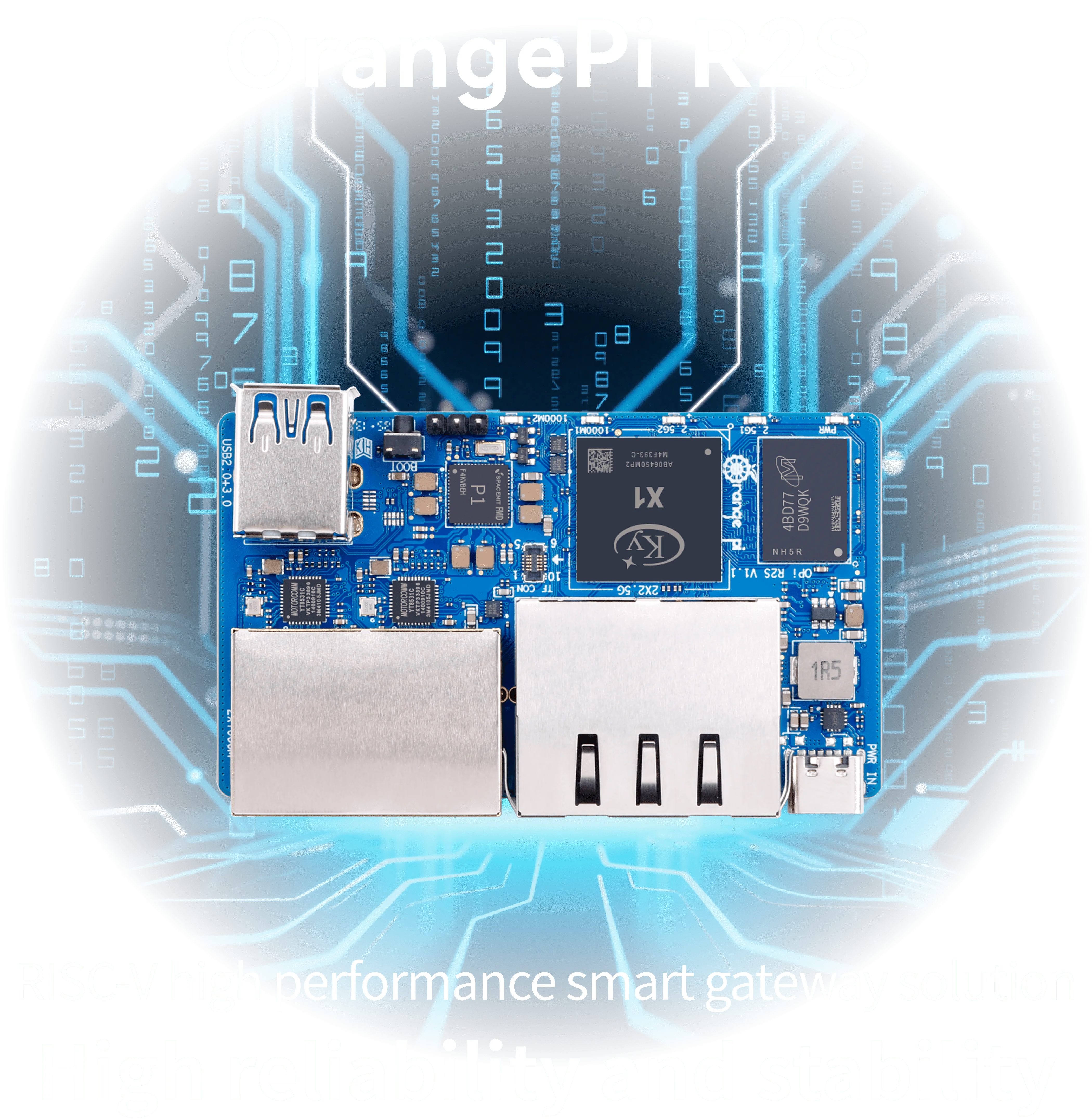
Orange Pi R2S is a network-focused RISC-V SBC featuring two 2.5GbE and two 1GbE ports. Powered by the Ky X1 8-core CPU, this high-value gateway device is available starting from around $30.
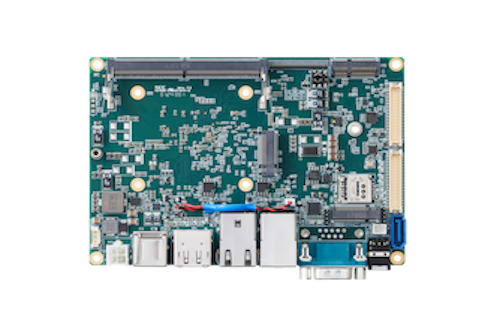
ADLINK offers the 3.5-inch SBC "SBC35-ALN" as part of their SBC35 series lineup. Built around the Intel Processor N97 (12W), it features DDR5 SO-DIMM, NVMe (M.2 M-Key), and dual 1GbE (Intel i210IT) - a solid foundation for industrial edge applications. However, there are points to clarify before deployment, including memory limit discrepancies and expansion slot prerequisites.